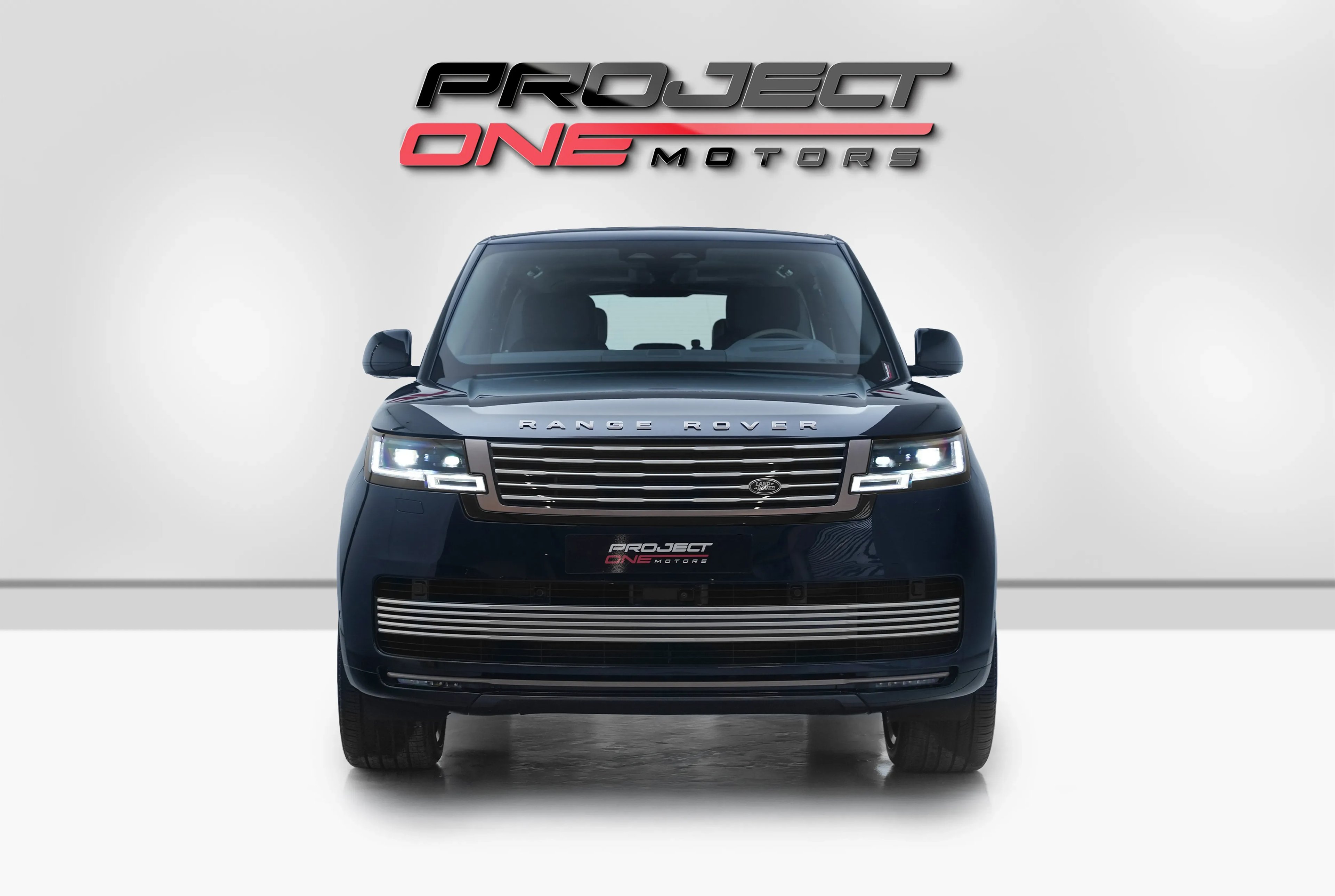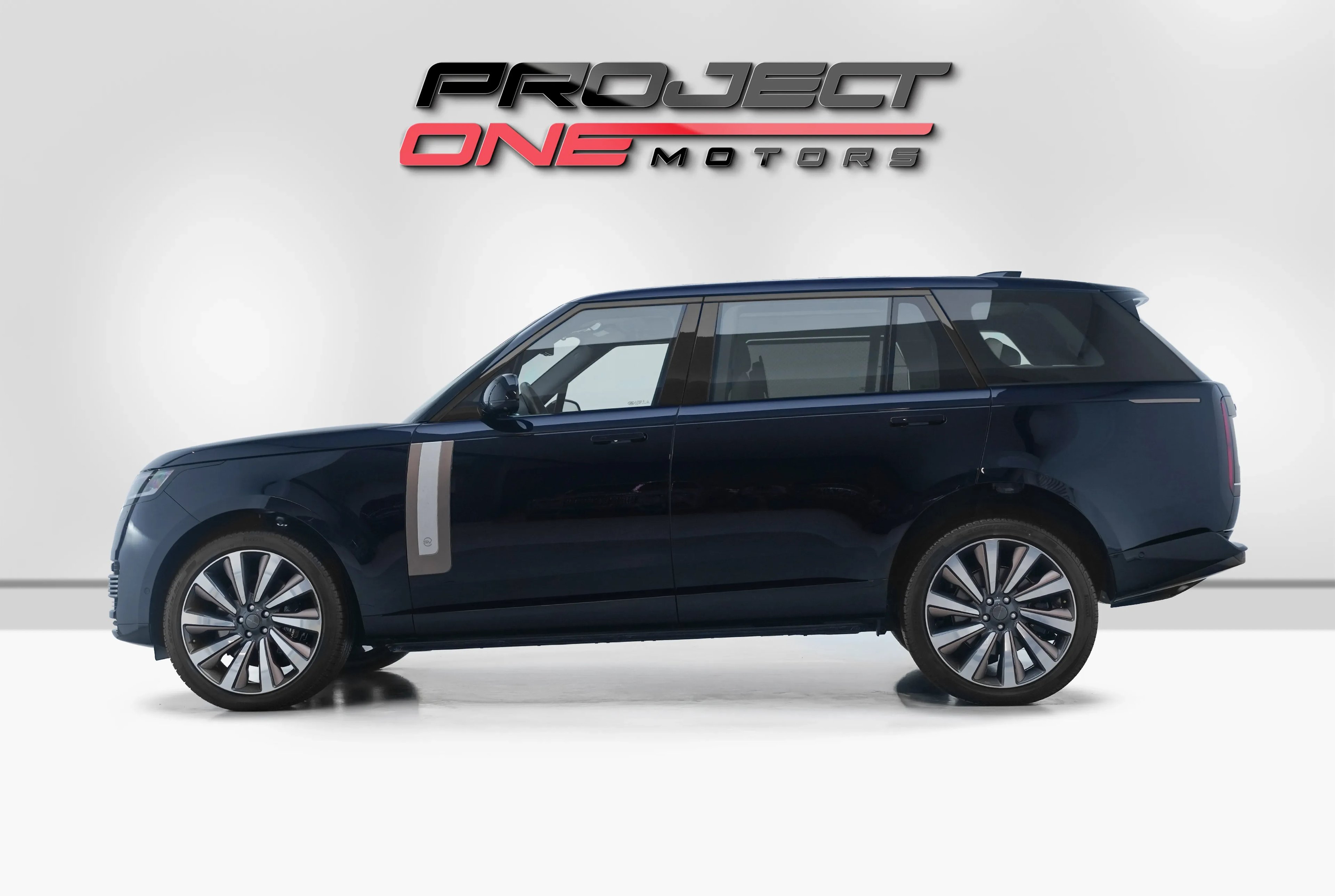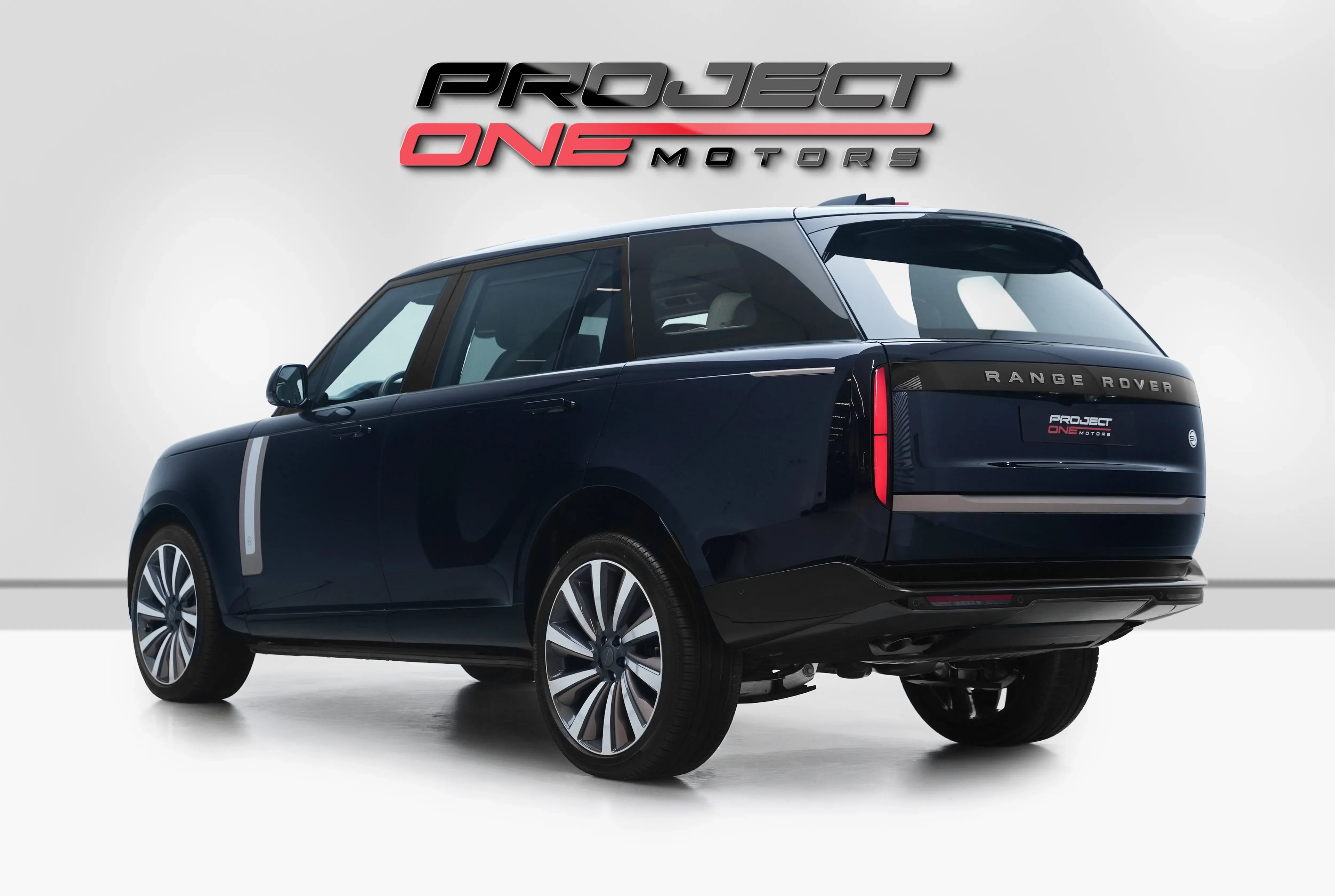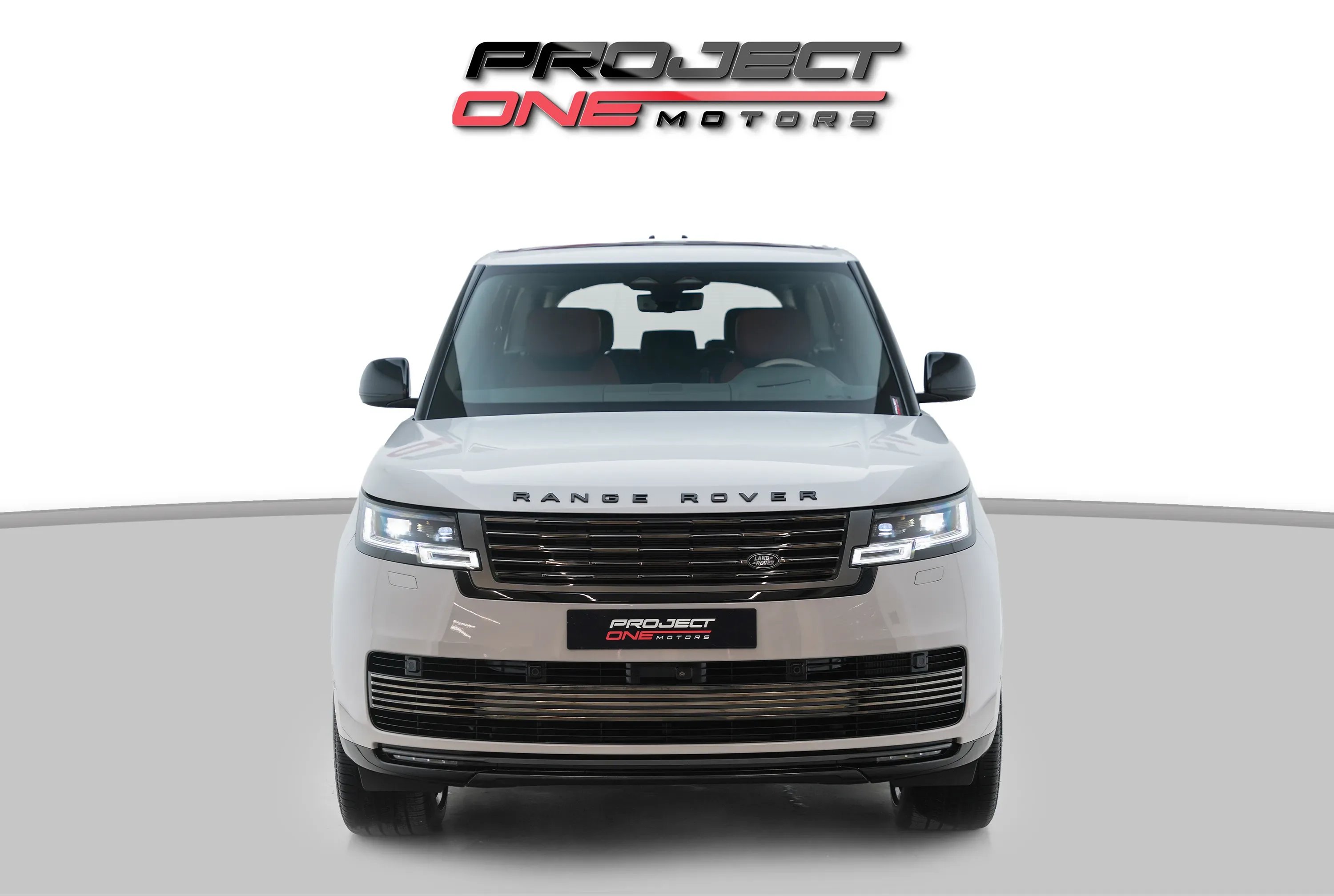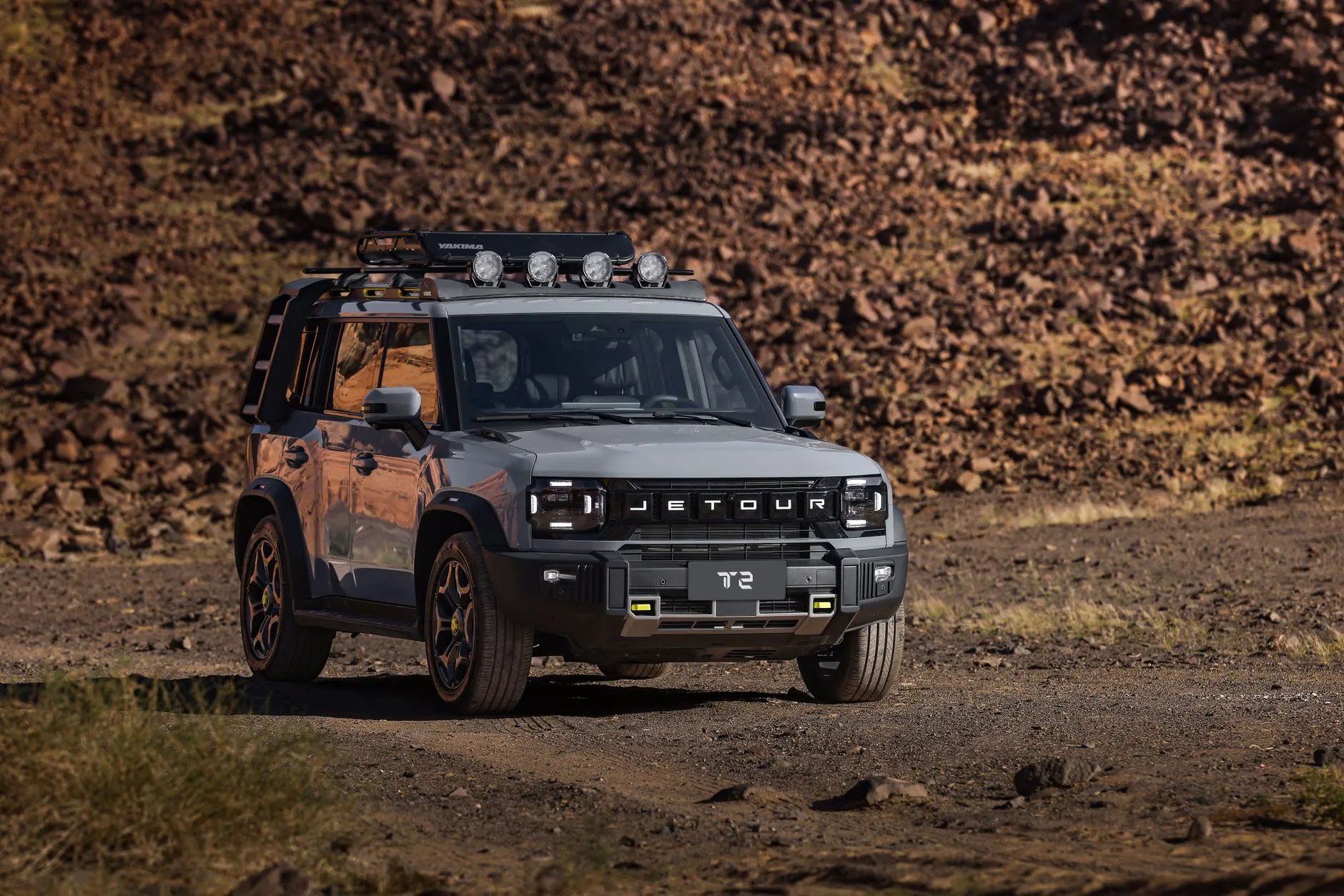
Photo by Jetour Georgia on Pexels
The Jetour T2 arrives in the UAE undercutting the Prado by tens of thousands of dirhams. But can its ladder frame, locking differentials, and approach angles genuinely handle Liwa dunes? We tear down the numbers, expose where it falls short, and tell you who should not buy one.
Picture this: you have dropped into a steep 45-degree slip-face at Moreeb Dune, the T2 is loaded with camping gear, and the rear axle is fighting for traction on loose, fine-grained Rub' al Khali sand. The question is not whether the Jetour badge looks credible beside a GCC-spec Land Cruiser at the Dubai Marina valet - it is whether the engineering underneath the T2 can keep you off the recovery rope when things go sideways. That is the only question worth answering for UAE buyers who are seriously considering this truck as a Prado alternative.
The 2026 Jetour T2 is priced from AED 129,900 in the UAE for the base variant, topping out at AED 169,900 for the fully loaded four-wheel-drive version. A mid-spec 2026 Toyota Prado starts from AED 209,000 in GCC trim, and a comparable Fortuner 4x4 V6 sits around AED 175,000. That gap - as wide as AED 79,100 at the extreme - is the T2's entire marketing argument. Whether that argument holds up in the dunes is what this teardown is here to settle. Prices accurate as of July 2026.
Jetour is a subsidiary of the Chery Automobile Group and has been selling vehicles in the Gulf since 2022 through authorised dealers. The T2 is its purpose-built body-on-frame SUV, competing directly with the Prado, Fortuner, and, at a stretch, the Nissan Patrol and Navara-based ladder-frame SUVs that dominate UAE dune-bashing culture.
The single most important structural question for any off-road purchase in the UAE is whether the vehicle runs a body-on-frame (ladder frame) chassis or a unibody (monocoque) construction. The Jetour T2 uses a fully boxed ladder-frame chassis, the same fundamental architecture as the Prado, Fortuner, and the legendary Land Cruiser 70 Series. This is not a soft-roader wearing a tough costume. A ladder frame distributes torsional stress along two longitudinal rails rather than through the body shell, which means it flexes independently over uneven terrain without transmitting that flex into the passenger cell. On Liwa's deep dunes and the corrugated washboard tracks of Hatta, that flex-point independence keeps all four wheels in ground contact longer.
A monocoque SUV - think BMW X5 or a Lexus RX - routes all chassis loads through the welded body structure. That makes for a quieter, more precise ride on Sheikh Zayed Road, but it trades articulation range and long-term durability on rough tracks. The T2 avoids that compromise. Its ladder frame is rated for a 2,500 kg towing capacity, which is competitive with the Fortuner's 3,000 kg maximum. The Prado GRJ150 edges both at 3,500 kg.
Angles tell you more about real-world off-road capability than any marketing brochure. The 2026 Jetour T2 4WD posts an approach angle of 33 degrees, a breakover angle of 24 degrees, and a departure angle of 30 degrees. Compare that directly: the 2026 Toyota Prado (250 Series) manages 30 degrees of approach, 21 degrees of breakover, and 25 degrees of departure in standard guise. The Fortuner 4x4 V6 sits at 29/21/25 degrees respectively.
What this means practically at Fossil Rock or the Mleiha escarpment: the T2 can crest a steeper rock ledge without grounding the front bumper, and it can exit a gully without dragging its rear valance. Those extra degrees matter on off-camber exits from dune bowls, where UAE dune bashing typically ends. The T2's ground clearance is 224 mm - marginally ahead of the Prado 250's 221 mm and equal to the Fortuner. Wading depth is rated at 700 mm, which comfortably clears the UAE's seasonal flood wadis in Ras Al Khaimah and Hatta after winter rains.
The top-specification T2 4WD ships with a mechanical rear differential lock alongside a part-time 4WD transfer case offering high-range and low-range modes. In low range, the gear reduction ratio is 2.48:1. That figure is lower than the Prado 250's 2.566:1 low-range reduction, meaning the T2 delivers slightly less mechanical advantage in the very slowest crawl situations - relevant when you are feathering the throttle down a near-vertical dune face and need the engine braking to do the work. It is not a disqualifying gap, but Prado owners who use low-range daily in the Empty Quarter will notice it.
The T2 does not offer a front differential lock on any variant available in the UAE. The Prado 250 TXL adds a front locking diff as standard. In deep, loose Rub' al Khali sand where diagonal wheel spin is common, a front locker meaningfully reduces the risk of getting stuck. Without it, the T2 relies on its electronic brake-based traction control to simulate limited-slip behaviour - functional at slow speeds on moderate terrain, but slower to react than a mechanical lock when the sand is truly soft. For dedicated dune convoy driving, this is the T2's single most significant off-road shortcoming against the Prado.
The T2's six-mode terrain selector covers Sand, Mud, Rock, Snow, Eco, and Sport modes. The Sand mode reduces throttle sensitivity, manages torque delivery to the rear, and raises the stability intervention threshold - all correctly calibrated for UAE dune conditions. The system is competitive with the Fortuner's two-mode terrain management and falls behind the Prado 250's Kinetic Dynamic Suspension System (KDSS) on higher grades.
The 2026 T2 uses a 2.0-litre turbocharged four-cylinder petrol engine producing 254 hp and 390 Nm of torque, paired with an eight-speed automatic transmission. In the context of Dubai summer driving - where ambient temperatures regularly exceed 48 degrees Celsius and asphalt surface temperatures can hit 70 degrees - turbocharged engines face heat-soak challenges that naturally aspirated V6 engines handle more gracefully. The Fortuner's 4.0-litre V6 produces 270 hp and 380 Nm and breathes more easily at sustained high throttle in extreme heat. The T2's intercooler is adequately sized for normal use, but repeated high-speed dune runs in mid-August can cause the engine management unit to pull timing and reduce boost to protect components. This is a real-world limitation to budget for.
Fuel consumption on the combined WLTP cycle is rated at 9.8 L/100 km. In UAE real-world driving - factoring in the aggressive air conditioning load that can add 1.5-2.5 L/100 km in summer - expect 11.5-13 L/100 km in mixed use. At ADNOC's current 2026 Special 95 pump price of AED 2.89 per litre, a 600 km Abu Dhabi-to-Liwa-and-back round trip will cost you approximately AED 200 in fuel. The 80-litre tank gives a realistic range of 615 km on the highway before you need to stop.
The T2 rolls on 265/60R18 all-terrain-pattern tyres as standard on the top trim - a tyre size that is widely stocked at Bridgestone, Michelin, and Falken outlets across Dubai and Abu Dhabi. That is a practical advantage: when you slash a sidewall on a sharp rock in Hatta, replacements are available same-day without special ordering. The Prado 250 uses a 265/65R18 tyre, slightly taller and with a marginally higher sidewall ratio that provides better rock rash protection. Both are sensible choices; neither requires modification for typical UAE off-road use.
Recovery points are factory-fitted front and rear on all T2 4WD variants - rated tow hooks at the front frame rails and a receiver hitch at the rear. The front hooks are rated for 4,000 kg extraction loads. A recovery shackle fits the standard D-ring thread directly. What is absent from the factory fitment list is a front recovery hook rated for kinetic rope recovery (as opposed to a static pull), so fitting an aftermarket rated kinetic recovery ring is advisable before heading into serious dunes. Snatch straps, a MaxTrax-type recovery board set, and a 12V compressor should be considered essential kit for any T2 owner planning Liwa or Rub' al Khali trips.
Beyond the sticker price, UAE buyers need to account for the full Mulkiya (registration) picture. RTA registration for a vehicle in the T2's weight class costs AED 420 per year for the first year including number plate fees, with annual Mulkiya renewal at AED 290 thereafter. Comprehensive insurance for a 2026 T2 in Dubai will cost between AED 3,500 and AED 5,200 per year depending on the insurer and driver profile - meaningfully cheaper than insuring a comparable Toyota Land Cruiser or Prado where premiums can reach AED 7,000-9,000 annually on account of the higher replacement part costs.
Jetour's UAE authorised dealer network currently operates service centres in Dubai (Al Quoz industrial area), Abu Dhabi (Mussafah), and Sharjah. Parts availability is the honest concern: the T2 platform shares componentry with Chery group products but bespoke ladder-frame components - control arms, axle shafts, differential internals - are not stocked in the same depth as Toyota parts at Al-Futtaim service centres. Budget for longer wait times on specialised repairs. Salik toll exposure for Dubai residents using the T2 as a daily driver averages AED 160-240 per month based on typical Al Garhoud or Al Maktoum crossing frequency at AED 4 per crossing.
This section is blunt by design. Do not buy the T2 if you are a dedicated dune-bashing enthusiast who runs technical routes in the Empty Quarter every weekend with a convoy of experienced off-roaders. The missing front locker will cost you rescue assistance at least once per season, and the turbo heat management is a genuine liability in back-to-back high-demand situations. Buy a Prado, a Land Rover Defender, or at minimum a Fortuner.
Do not buy the T2 if resale value is a financial priority. If you plan to own this vehicle for two to three years and sell it on, the depreciation curve will hurt. You will recover more capital from a Prado purchase even though the Prado costs significantly more upfront.
Do not buy the T2 if your nearest Jetour service centre is more than 60 km away. The parts network is improving but not yet reliable enough for buyers in Fujairah, Al Ain's outer districts, or remote northern Emirates locations who need guaranteed quick turnaround on mechanical failures.
The T2 makes strong sense for the UAE buyer who wants a proper ladder-frame SUV for occasional Hatta weekends, graded desert track driving, and towing a jet ski or horse trailer - but cannot justify the Prado's AED 209,000 entry price. At AED 129,900 to AED 169,900, the T2 puts body-on-frame architecture, a locking rear differential, a 700 mm wading depth, and a usable 254 hp turbo powertrain within reach of buyers who were previously limited to used Fortuners or compromised by monocoque SUVs.
It also makes sense as a second family vehicle: one that takes the kids to school on weekdays, handles a Friday Fossil Rock drive, and does not trigger eye-watering insurance bills. For a household that already owns a GCC-spec Land Cruiser or Patrol as the primary dune machine, the T2 fills a useful gap as a competent, affordable everyday SUV that can cope with modest off-road demands without drama.
The T2 only entered the UAE market in late 2023, meaning the used supply is still thin. First-generation T2 examples from late 2023 and 2024 are appearing on the market at AED 95,000-115,000 with 30,000-60,000 km on the clock. At those prices the value proposition is compelling, but the remaining warranty picture is critical: the factory warranty covers 5 years or 150,000 km, whichever comes first, so a 2023 car is still within warranty until 2028 provided it has not exceeded the kilometre cap. Verify the warranty registration with the authorised dealer before purchase.
For comparison, a 2023 used Prado in GCC specification with 40,000 km commands AED 175,000-195,000 at minimum - still AED 60,000-80,000 above a comparable used T2. If you can live with the T2's capability limitations and the thinner resale floor, a used 2024 model with low mileage is a sensible buy. If you need the Prado's front locker, deeper parts network, and proven resale stability, pay the premium. There is no free lunch in the ladder-frame SUV segment.
For buyers whose shortlist also includes competitively priced SUVs from established brands, browsing Chevrolet Trailblazer and Tahoe listings or GMC Terrain inventory can surface alternatives worth cross-shopping in the AED 130,000-180,000 segment, though neither of those rides a ladder frame.
Disclaimer: This article is for general information only and is not legal, financial, tax or insurance advice. Prices, specifications and availability are indicative, vary by trim and GCC specification, and change without notice - confirm current figures with the selling dealer. Government fees, registration, import, customs and traffic regulations are subject to change; always verify current requirements directly with the relevant UAE authority (RTA, MOEI, Customs, your emirate's traffic department) or your insurer before acting. Carzle is a marketplace: vehicles are listed and sold by independent licensed dealers, and Carzle is not a party to any sale.
AED 1,099,000
AED 1,099,000
AED 755,000